
The Future of Electric Cars
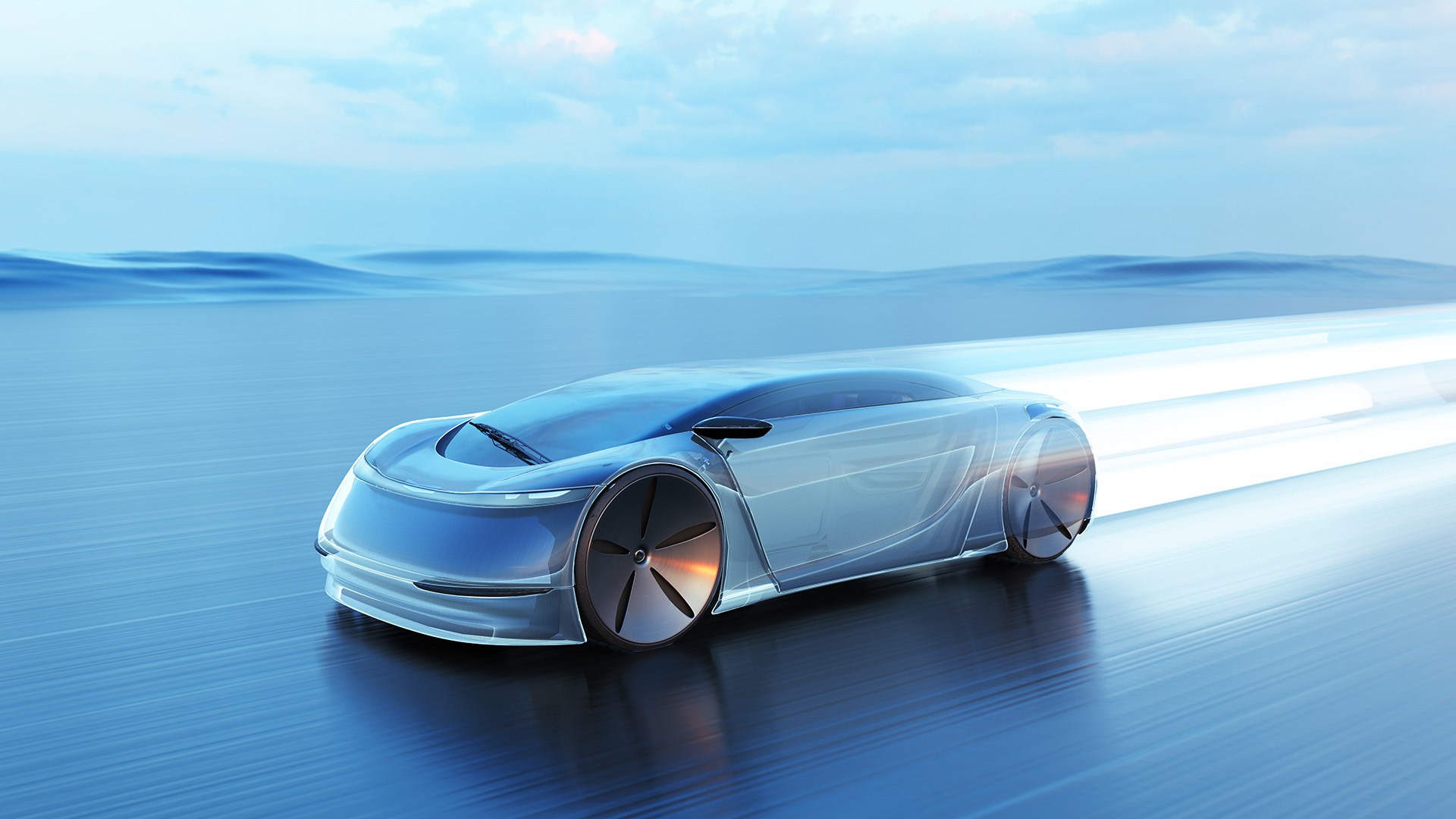
Electric cars are no longer a niche product. In 2025, one in five new cars sold globally runs on batteries instead of gasoline. But what comes next? Will every car be electric by 2035? What happens to all the old batteries? And can the electrical grid handle millions of cars charging at once? The future of transportation is electric — but the road ahead has both opportunities and obstacles.
📚 Vocabulary
Words from this article that appear in our vocabulary books.
| Word | Definition |
|---|---|
| Access | 1)reach; how easy or difficult it is for people to enter a public building, to reach a place, or talk to someone 2) the right to enter a place, use something, see someone etc |
| Agency | a business or government department that provides a particular service |
| Ambition | a strong wish to achieve something |
| Annually | yearly-once a year- ever year |
| Approximately | roughly-more or less than a number or amount |
| Asset | 1) advantage,something or someone that is useful because they help you succeed or deal with problems.2) the things that a company owns |
| Bang | an act of hitting someone or something |
| Budget | estimate of the amount of money that can be spent for different purposes in a given time |
| Can | used with see, smell or taste in the continuous tense |
| Capacity | amount of room or space inside; largest amount that can be held by a container |
| Century | 100 years |
| Certain | specified, determined, definite, opposite of undefined & nameless & general |
| Charge | move quickly in a particular direction. often to attack sb/sth |
| Circular | shaped like a circle |
| Clear | visible, apparent, evident, explicit, obvious, recognizable, opposite of vague & ambiguous & invisible |
| Climate | the normal weather conditions of a particular region |
| Complex | 1) system (n),a group of buildings, or a large building with many parts, used for a particular purpose,2) elaborate (adj) |
| Component | constituent,constitution |
| Costs | expenses |
| Critical | crucial: essential |
| Current | present |
| Currently | at the moment |
| Demand | need |
| Direct | to control or be in charge of an activity |
| Disappear | stop existing (SYN vanish) |
| Domestic | home,1) relating to or happening in one particular country and not involving any other countries opposute of foreign.2) relating to family relationships and life at home |
| Doubt | not believe; not be sure of; feel uncertain about; lack of certainty |
| Drive | incentive |
| Due | expected to arrive or happen |
| During | at a point of within a period of time |
| Duty | the task you do when you are at work |
| Electrical | of or about electricity |
| Energy | the ability to be very active without getting tired |
| Engine | car's motor |
| Enough | as good, well, old, long, etc. as is necessary |
| Entire | completely (SYN whole) |
| Essential | necessary; very important |
| Expensive | costly; highly prices |
| Filling | a mixture that a dentist puts in your tooth to fill a hole |
| Final | coming last; deciding |
| Gas | a substance like air, e.g. oxygen and hydrogen |
| Government | the group of people in control of a country |
| Handle | a part of an object designed for holding, moving, or carrying the object easily |
| However | yet, but |
| Human | connected with people |
| Hurdle | 1) fence,[ C ] a frame or fence for jumping over in a race:2)a problem that you have to deal with before you can make progress: |
| Increase | get larger in number or amount |
| Industry | the production of goods in factories |
| Inflation | a general rise in the price of services and goods in a particular country |
| Infrastructure | foundation |
| Integration | the process of becoming a full member of a group or society |
| Intermediate | in-between |
| International | involving two or more countries |
| Key | significant: critical, of paramount or crucial importance |
| Lack | be entirely without something; have not enough |
| Like | used to introduce an example (SYN such as) |
| Liquid | in a non-solid form, like water |
| Massive | big and heavy; large and solid; bulky |
| Material | cloth for making clothes, covering furniture, etc (SYN fabric) |
| May | used to express possibility |
| Minute | very small: tiny, minuscule, miniature |
| Off | less than usual |
| Overnight | for one night |
| Peak | 1)top 2)highest point 3)maximum 4)time of the greatest activity 5)summit/climax |
| Per | for each |
| Policy | a plan to do sth, agreed by a government, company, etc |
| Practical | convenient or effective # functional |
| Product | a thing that people make or grow in order to sell |
| Provide | to supply; to state as a condition; to prepare for or against some situation |
| Public | people |
| Range | vary : to include a variety of different things or people in addition to those mentioned |
| Recover | become well after you have been ill (SYN get over sth) |
| Reduction | a cut in the usual price of something (SYN discount) |
| Remains | parts of objects and buildings that have been discovered recently |
| Require | to need sth or make sth neccessary |
| Revenue | income |
| Risk | danger |
| Rural | in the country |
| Several | more than two, but not many |
| Significant | meaningful: important |
| Site | position or place (of anything) |
| Software | the programs used to operate a computer. *install* or *run* a piece of software |
| Solid | in hard form |
| Storage | a place to store things |
| Supply | an amount of sth that you need |
| Tax | money you have to pay to the government |
| Toxic | poisonous |
| Transform | deform |
| Transformation | shuffle: change: rotation |
| Trivial | not important or serious |
| Vary | be different from each other |
| Vehicle | means: method: way; formal something you use to express and spread your ideas, opinions etc SYN medium |
| Weight | how heavy sth is (value/property) |
| Work | get or have the result you want |
| Worldwide | existing or happening in all parts of the world |
Comments (0)
Comments are published after admin approval.
No approved comments yet. Be the first to comment.