
Feng Shui: Arranging Your Way to Happiness
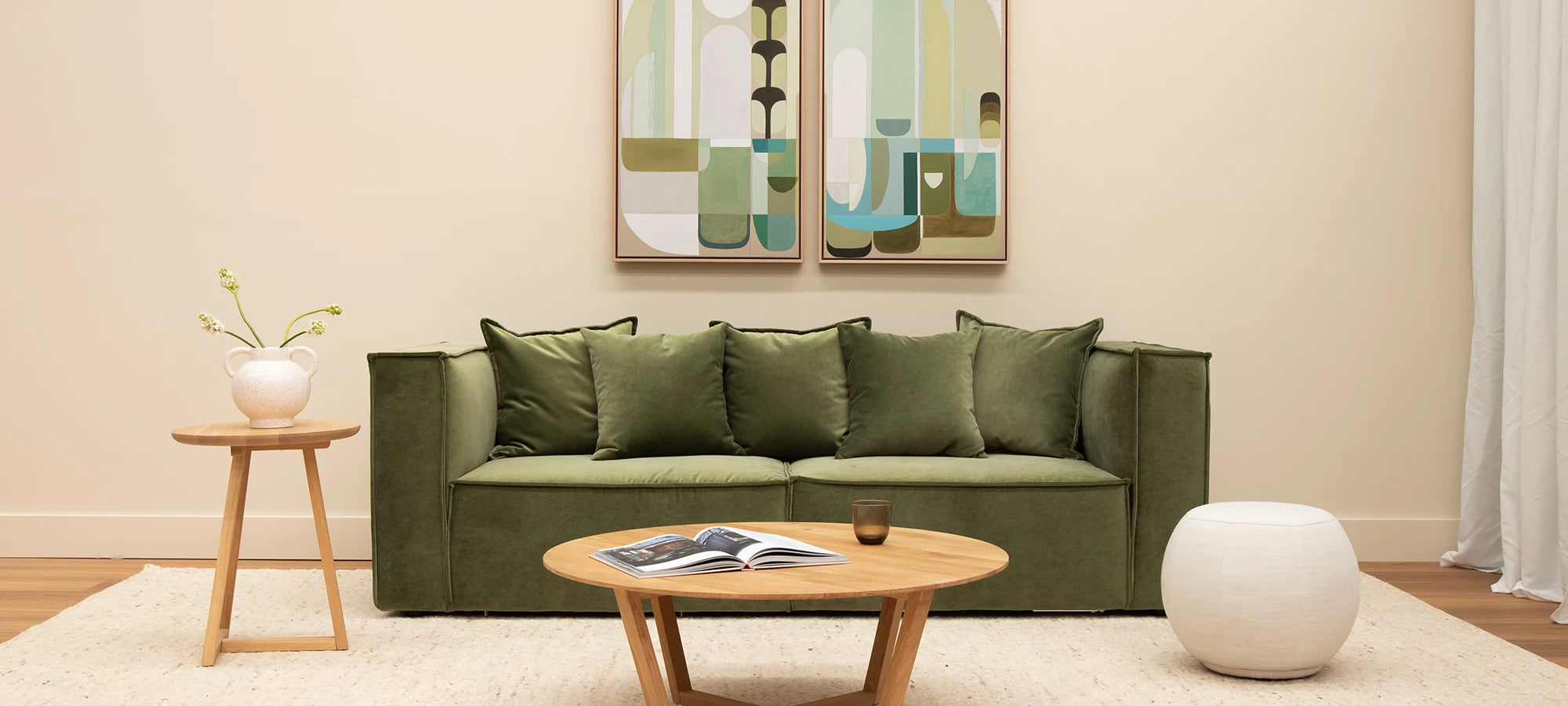
Feng shui is an ancient Chinese practice of arranging your environment to create balance and harmony. The words "feng shui" mean "wind" and "water" — two elements that flow freely in nature. The idea is that invisible energy, called qi (pronounced "chee"), flows through your home, your office, and your furniture. When qi flows smoothly, you feel good. When it gets blocked, you feel stuck. Whether you believe in energy or not, feng shui offers practical advice that many people find helpful.
📚 Vocabulary
Words from this article that appear in our vocabulary books.
| Word | Definition |
|---|---|
| About | a bit more or a bit less |
| Adjust | modify, to change something slightly, especially to make it more correct, effective, or suitable |
| Advice | piece of knowledge about sth |
| Ancient | antique: old- belonging to a long time in old history |
| Anxiety | worry, the state of feeling nervous or worried that something bad is going to happen |
| Area | a particular part of a place, piece of land, or country |
| Avoid | keep away from; keep out of the way |
| Based | when sth is the centre for your work |
| Being | creature, existence |
| Benefit | a thing that has a good or helpful result |
| Blood | the red liquid that is sent around the body by the heart |
| Burial | ceremony of putting a dead body in the ground |
| Can | used with see, smell or taste in the continuous tense |
| Career | the series of jobs you have in a particular area |
| Central | essential, more important and having more influence than anything else |
| Century | 100 years |
| Certain | specified, determined, definite, opposite of undefined & nameless & general |
| Clear | visible, apparent, evident, explicit, obvious, recognizable, opposite of vague & ambiguous & invisible |
| Complex | 1) system (n),a group of buildings, or a large building with many parts, used for a particular purpose,2) elaborate (adj) |
| Construction | the way words are used together in sentence |
| Contemporary | modern |
| Core | center, hub, nucleus |
| Correlate | match |
| Create | invent, manufacture |
| Culture | activities involving art, literature, music, etc |
| Design | create, draw, plan |
| Determine | figure out, specify, define;establish |
| Direct | to control or be in charge of an activity |
| Dismiss | reject, ignore- to refuse to consider someone’s idea, opinion etc, because you think it is not serious, true, or important |
| Earth | our planet |
| Element | a part of the whole environment # component |
| Energy | the ability to be very active without getting tired |
| Environment | setting, surroundings |
| Fabric | cloth or material for making clothes, covering furniture, etc. (SYN material) |
| Face | to be in the presence of and oppose # confront |
| Feel | give a sensation of or like sth when touched |
| Flow | movement, motion, current |
| Goal | a thing you want to be able to do in the future (SYN aim) |
| Harmony | situation of getting on well together or going well together; sweet or musical sound |
| Hold | support-keep up |
| However | yet, but |
| Human | connected with people |
| Immediately | with no delay (SYN straightaway) |
| Improve | become better (SYN get better; make progress) |
| Intentionally | deliberately |
| Intermediate | in-between |
| Keep | continue or stay ina particular place or condition |
| Knowledge | what you know and understand about sth |
| Landscape | scenery, a large area of countryside,a view or picture of the countryside, or the art of making such pictures |
| Lid | a cover on a container, that can be lifted up or removed |
| Like | used to introduce an example (SYN such as) |
| Mean | average, medium, mediocre |
| Means | ways # methods |
| Messy | dirty or untidy |
| Mitigate | — |
| Mood | the way you feel at a particular time |
| Nature | character, disposition, temperament |
| Negative | saying no; minus; showing the light and shadows reversed |
| Numerous | very many; several |
| Pointed | An object which has a thin, sharp end or becomes much narrower at one end |
| Poison | a substance that can make people or animals ill or kill them if they eat or drink it |
| Position | job |
| Practical | convenient or effective # functional |
| Pragmatic | practical, based on practical rather than theoretical considerations |
| Precise | exact |
| Primary | dominant |
| Principles | (USU. PL) strong beliefs that influence how you behave |
| Priority | ranking preference |
| Pronounced | definite: clear: notable, very noticeable or marked; conspicuous |
| Quality | goodness of sth |
| Refuge | safety, shelter |
| Require | to need sth or make sth neccessary |
| Rigorous | demanding: harsh |
| Say | the right to take part in deciding sth (give sb a say/have a say in sth) |
| Science | a particular subject which is studied by scientific methods |
| See | know or notice sth using your eyes |
| Sense | get a feeling about sth that you can't directly see or hear |
| Shape | the particular physical form or appearance of something |
| Sharp | very large and sudden |
| Sleep | the resting state in which the body is not active and the mind is unconscious |
| Specific | particular |
| Stagnation | inactivity |
| Straight | continuing in one direction without bending or curving |
| Stress | say sth with extra loudness (SYN emphasis) |
| Sustain | v) support: persist |
| Theory | explanation based on thought, observation, or reasoning |
| Through | by |
| Thus | consequently: therefore |
| Traditional | sth that people have done for a long time |
| Visible | able to be seen |
| Vital | having to do with life; necessary to life; causing death; failure or ruin; lively |
| Wall | a vertical structure, often made of stone or brick, that divides or surrounds something |
| Way | the route or direction that you need to take to get somewhere |
| Wisdom | knowledge and understanding # insight |
| Wrong | cousing problems or difficulties |
Comments (0)
Comments are published after admin approval.
No approved comments yet. Be the first to comment.