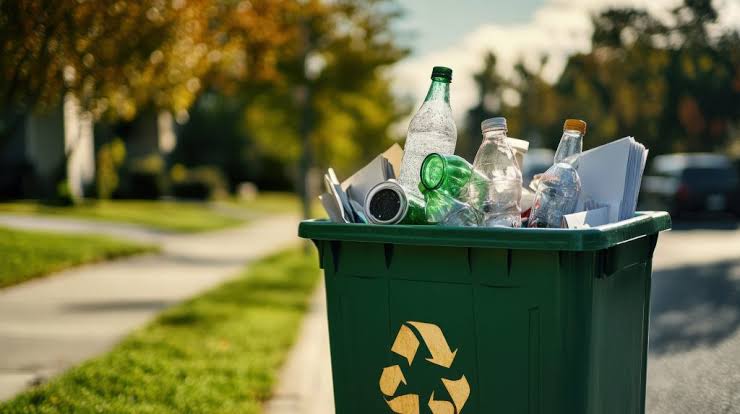
Recycling turns used materials into new products, saving energy, reducing pollution, and preserving natural resources. Paper, plastic, glass, and metals can all be recycled. However, common mistakes like putting dirty containers or plastic bags in recycling bins ruin entire batches. Proper recycling habits — rinse, sort, and check local rules — make a real difference for the planet.
📖 Level 1 - Beginner:
Recycling means using old things to make new things. You put plastic bottles in a special bin. A truck takes them away. Factories melt the plastic. They make new bottles or toys. Recycling saves energy. Making new stuff from old stuff uses less power. Recycling also saves trees. When we recycle paper, fewer trees get cut down. It also reduces trash. Less garbage goes into landfills. Landfills are big holes full of trash. They smell bad and hurt the earth. But recycling only works if we do it right. Do not put dirty food containers in the bin. Wash them first. Do not put plastic bags in the bin. They jam the machines. Check your city’s rules. Every place is different. Recycling is easy. Rinse your bottle. Drop it in the bin. You just helped the planet. Small actions add up. When millions of people recycle, we save forests, water, and animals. Trash today can be treasure tomorrow. Start recycling now.
📖 Level 2 – Intermediate:
Recycling is the process of converting waste materials into new products. It prevents useful materials from ending in landfills, reduces pollution, and conserves natural resources like timber, water, and minerals. For example, recycling one ton of paper saves 17 trees and 7,000 gallons of water. Aluminum is especially valuable: recycling a single can saves enough energy to power a television for three hours. However, recycling only works when we follow proper guidelines. The biggest mistake is “wishcycling” — putting non‑recyclable items in the bin hoping they will be recycled. This contaminates entire batches. For instance, a greasy pizza box ruins the paper recycling process. Plastic bags get tangled in sorting machines, causing shutdowns. Always rinse food containers. Keep items loose — do not bag them. Know your local rules. Some places recycle glass; others do not. Recycling is a shared
responsibility. When done correctly, it reduces greenhouse gas emissions and slows climate change. Small daily habits — sorting waste, carrying a reusable bottle — create a massive collective impact. Remember: recycling is the third best option. Reduce first, reuse second, then recycle.
📖 Level 3 – Advanced:
Recycling transforms post‑consumer waste into feedstock for new manufacturing, creating a circular economy that reduces extraction of virgin materials. The environmental benefits are quantifiable: producing aluminum from recycled scrap uses 95% less energy than from bauxite ore. Recycled paper requires 40% less energy and produces 50% less wastewater than virgin paper production. Glass recycling reduces mining waste by 80%. Yet the system faces significant challenges. Contamination remains the primary obstacle. Non‑recyclables — food waste, plastic bags, textiles — can ruin entire truckloads, sending them to incinerators or landfills. Even within recyclables, resin codes matter: #1 (PET) and #2 (HDPE) plastics have robust markets, while #3–#7 often do not. “Wishcycling” — optimistically tossing questionable items — creates more harm than good. Effective recycling requires consumer education: empty, rinse, dry, and sort according to municipal guidelines. Moreover, the recycling hierarchy prioritizes reduction and reuse first; recycling is the last line of defense. Extended Producer Responsibility (EPR) laws, already adopted in the EU and some US states, hold manufacturers accountable for end‑of‑life product
management. As China’s 2018 National Sword policy restricted imported waste, developed nations are rebuilding domestic recycling
infrastructure. The message is clear: recycling works, but only when done correctly. Every rinsed bottle and properly sorted box contributes to a system that conserves resources, reduces carbon emissions, and moves us toward a truly circular economy.

Comments (0)
Comments are published after admin approval.
No approved comments yet. Be the first to comment.