
The Bamboo Bear's Fight for Survival
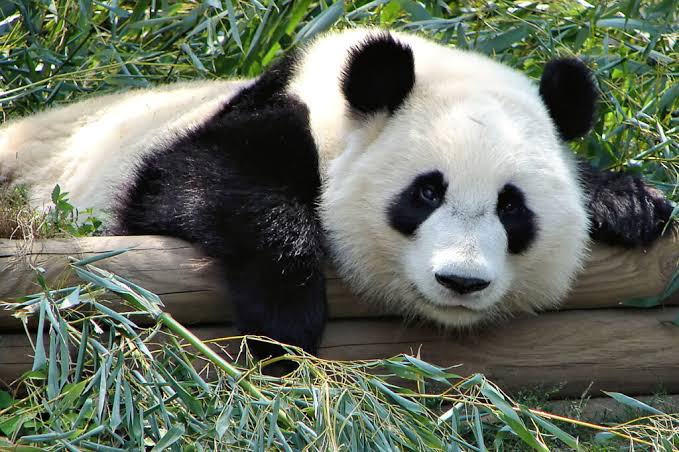
Giant pandas are endangered mainly because humans have destroyed their forest homes. Pandas eat almost nothing but bamboo, which grows slowly and sometimes dies off. They also have very low birth rates. Conservation efforts like nature reserves and breeding programs are helping, but pandas still need protection.
📚 Vocabulary
Words from this article that appear in our vocabulary books.
| Word | Definition |
|---|---|
| About | a bit more or a bit less |
| Alternative | one of two or more things that you can choose between |
| Annually | yearly-once a year- ever year |
| Area | a particular part of a place, piece of land, or country |
| Bear | a large, strong, wild mammal with a thick fur coat |
| Blind | not able to see |
| Can | used with see, smell or taste in the continuous tense |
| Captive | prisoner |
| Change | smaller units of money given in exchange for larger units of the same amount |
| Climate | the normal weather conditions of a particular region |
| Community | all the people who live in an area or town |
| Completely | totally |
| Conditions | all the particular things that influence someone’s living or working environment |
| Consequently | therefore: thus: as a result |
| Constant | stable, fixed, firm |
| Consume | eat up |
| Continued | constant, continual;continuing to happen or exist without stopping |
| Cut | an injury made when the skin is cut with something sharp |
| Daily | something issued every day |
| Depression | a feeling of being very unhappy |
| Die | stop living |
| Diet | the food person eats |
| Earth | our planet |
| Endangered | not abundant |
| Established | qualified, have been in existence for a long time and therefore recognized and generally accepted. |
| Even | at the same level |
| Exhibit | display; show |
| Extraordinary | exceptional, phenomenal |
| Extreme | much hotter, colder, or more violent than usual |
| Female | woman or girl |
| Fertile | bearing seeds or fruits; producing much of anything |
| Fight | when people try to hurt or kill each other |
| Giant | huge,extremely big, and much bigger than other things of the same type |
| Growing | increasing in size, amount, or degree |
| Healthy | good for health (SYN good for you) |
| Housing | building for people to live in. accomodation |
| However | yet, but |
| Human | connected with people |
| Ideal | perfect; the best possible |
| Infrastructure | foundation |
| Intermediate | in-between |
| Isolated | separated, far away from other places, buildings, or people; remote |
| Keep | continue or stay ina particular place or condition |
| Like | used to introduce an example (SYN such as) |
| Live | seen or heard as it is happening |
| Loss | have a negative balance after paying costs |
| Management | the control of a business or organization |
| May | used to express possibility |
| Nature | character, disposition, temperament |
| Nevertheless | however: in spite of |
| Off | less than usual |
| Original | existing from the time when sth was first made or done |
| Per | for each |
| Periodic | occurring at specific, determined periods of time # regularly |
| Population | people of a city or country |
| Predict | tell beforehand |
| Primary | dominant |
| Protection | to keep someone or something safe from injury, damage, or loss |
| Range | vary : to include a variety of different things or people in addition to those mentioned |
| Remaining | still existing or needing to be dealt with |
| Remains | parts of objects and buildings that have been discovered recently |
| Severe | harsh |
| Specialized | having or needing a lot of special knowledge |
| Success | the achievement of sth you have wanted |
| Survive | live longer than; remain alive after |
| Threat | sign or cause of possible evil or harm |
| Threaten | endanger |
| Tiny | very small |
| Undergo | experience |
| Viability | ability to exist |
| Vulnerable | capable of being injured; open to attack; sensitive to ciritisim, influences, etc. |
| Weak | not strong; incapable # ineffective |
| Weight | how heavy sth is (value/property) |
| Wild | used to refer to plants or animals that live or grow independently of people |
| Work | get or have the result you want |
| Yet | however |
Comments (0)
Comments are published after admin approval.
No approved comments yet. Be the first to comment.