
Chocolate's Sweet Journey Through Time

Chocolate's Sweet Journey Through Time banner
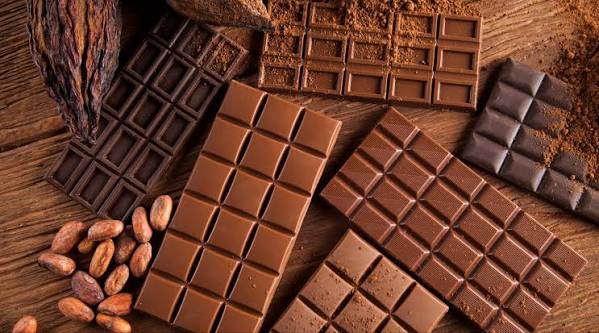
Chocolate began 4,000 years ago in ancient Mesoamerica as a bitter, spicy drink for Aztec and Mayan elites. Sugar transformed it into a European luxury. The Industrial Revolution made chocolate affordable and solid. Today, it is a global passion — but its history includes colonization and modern ethical debates about farming.

📖 Level 1 - Beginner:

Chocolate comes from cacao trees. The first people to use cacao were the Olmecs in Mexico. Later, the Maya and Aztecs also loved cacao. They did not eat sweet chocolate bars. They made a bitter drink. They mixed ground cacao beans with water and spices like chili. Only kings and warriors drank it. Cacao beans were very special. People used them as money. In the 1500s, Spanish explorers took cacao to Europe. Europeans added sugar to make it sweet. It became a drink for rich people. For 200 years, only the wealthy could afford chocolate. Then machines changed everything. In 1828, a Dutch man made cocoa powder. In 1847, an English company made the first solid chocolate bar. Chocolate became cheap. More people could buy it. Today, we eat chocolate all over the world. But many cacao farmers earn very little money. Some companies now sell "fair trade" chocolate. This helps farmers get fair pay. The history of chocolate is long and complicated. It started as a bitter drink. Now it is a sweet treat for billions of people.

📖 Level 2 – Intermediate:

The story of chocolate begins over 4,000 years ago in the rainforests of Central and South America. The Olmecs, Maya, and Aztecs all cultivated cacao trees. They fermented, roasted, and ground cacao beans into a paste, then mixed it with water, corn, chili peppers, and other spices. The result was a bitter, frothy drink called xocolātl — nothing like modern hot chocolate. This drink was reserved for royalty, priests, and warriors. Cacao beans were so valuable that Aztecs used them as currency. When Spanish conquistadors, including Hernán Cortés, arrived in the 1500s, they sent cacao back to Spain. Europeans found the bitter drink unpleasant at first. But after adding sugar, honey, vanilla, and cinnamon, it became a popular luxury among Spanish nobles. For the next 200 years, chocolate remained an expensive drink for the rich. The Industrial Revolution changed everything. In 1828, Dutch chemist Coenraad van Houten invented the cocoa press, which separated cocoa butter from cocoa powder. This made chocolate smoother and cheaper. In 1847, the British company Fry & Sons created the first solid chocolate bar. Soon, Swiss inventors added milk powder, creating milk chocolate. Mass production made chocolate affordable for everyone. However, the sweet history has a dark side. Cacao farming relied heavily on enslaved and child labor on European‑owned plantations. Today, most cacao grows in West Africa. Many farmers live in poverty. The "fair trade" movement tries to fix this by paying farmers fairly. From a bitter royal drink to a billion‑dollar industry, chocolate’s journey reflects global trade, innovation, and inequality.

📖 Level 3 – Advanced:

Chocolate’s origins trace to the pre‑Columbian civilizations of Mesoamerica, where the Theobroma cacao tree — whose genus name translates from Greek as “food of the gods” — was first domesticated over 4,000 years ago. The Olmecs likely pioneered cacao use, but the Maya and Aztecs perfected its cultural significance. They consumed cacao as a bitter, frothy beverage, often fermented, mixed with maize, chili, and aromatic flowers. This xocolātl was integral to rituals, elite feasts, and even as currency — 100 beans could purchase a slave or a turkey. When Hernán Cortés arrived in the Aztec capital Tenochtitlán in 1519, Emperor Moctezuma famously consumed gallons of the drink daily. Spanish conquistadors brought cacao to Europe, but the bitter taste initially repelled them. The transformation came through colonization: Europeans added cane sugar (produced by enslaved labor in the Caribbean) along with cinnamon and vanilla. By the 17th century, chocolate became a fashionable, expensive drink among European aristocrats, often sipped from special porcelain cups. The Industrial Revolution democratized chocolate. In 1828, Dutch chemist Coenraad van Houten patented the cocoa press, which removed about half the cocoa butter from ground beans, producing fine cocoa powder and reducing fat content. This “Dutch process” also alkalized cocoa, making it darker and milder. In 1847, Joseph Fry of Bristol pressed a mixture of cocoa powder, sugar, and melted cocoa butter into a mold — the first solid chocolate bar. Swiss innovators followed: Daniel Peter added powdered milk (invented by Henri Nestlé) to create milk chocolate in 1875; Rodolphe Lindt developed the conching machine in 1879, producing silky, melt‑in‑the‑mouth chocolate. The 20th century saw chocolate become a global commodity, but at a cost. Most cacao now grows in West Africa (Côte d’Ivoire and Ghana supply over 60%), where smallholder farmers often earn less than $2 per day, and child labor remains prevalent despite industry pledges. Contemporary history includes the rise of craft “bean‑to‑bar” makers, fair trade certification, and dark chocolate’s reputed health benefits. From a sacred, bitter elixir to a $100 billion industry, chocolate’s history is both a celebration of human ingenuity and a mirror of colonial exploitation — a complex legacy in every sweet bite.

📚 Vocabulary

Words from this article that appear in our vocabulary books.

Word Definition
About a bit more or a bit less
Added extra- in addition to what is usual or expected
Afford provide,to provide something or allow something to happen
Affordable able to be done, usually referring to something you can do without damage or loss # economical
Ancient antique: old- belonging to a long time in old history
Benefits advantages a company offers in addition to the salary, perks INF
Capital the money you need to start a business
Central essential, more important and having more influence than anything else
Century 100 years
Company organisation
Complex 1) system (n),a group of buildings, or a large building with many parts, used for a particular purpose,2) elaborate (adj)
Complicated complex -made things more difficult
Consumed used completely: used up
Contemporary modern
Create invent, manufacture
Cultural something related to art, literature, music, etc
Currency monetary unit # money
Daily something issued every day
Dark without much light
Despite in spite of
Earn acquire, gain
Elite excellent person
Even at the same level
Expensive costly; highly prices
Exploitation DISAPPROVING a situation in which sb treats sb else unfairly in order to make money from their work
Fair significan
Fashionable popular
Fine a sum of money you have to pay if you break a law
Fix put sth right that is broken or damaged
Found to establish: start up a philanthropic organization # establish
Ground reason, cause
Half either of the two ​equal or ​nearly ​equal ​parts that together make up a ​whole
However yet, but
Human connected with people
Industrial related to factories and machinery
Industry the production of goods in factories
Ingenuity cleverness: creativeness: inventiveness: resourcefulness
Initially originally, at first [adv]
Innovation new, novelty
Integral essential, forming a necessary part of something
Intermediate in-between
Like used to introduce an example (SYN such as)
Live seen or heard as it is happening
Melt process of ice changing from a solid to a liquid due to high temperature
Mirror reflect, show a reflection of
Per for each
Popular liked by most people
Press newspapers and the quernalists who work for them
Prevalent common: prevailing
Process purify, cater, perform a series of mechanical or chemical operations on (something) in order to change or preserve it
Remains parts of objects and buildings that have been discovered recently
Revolution dramatic change
Rise emerge
Royal relating to a king or queen
Sacred worthy of respect; holy
Side an edge or border of sth
Significance importance
Solid in hard form
Soon shortly, quickly
Supply an amount of sth that you need
Taste have a particular flavour
Through by
Transformation shuffle: change: rotation
Turkey a ​large ​bird ​grown for ​its ​meat on ​farms
Van a medium-sized ​road ​vehicle, used ​especially for ​carrying ​goods, that often has no ​windows in the ​sides at the back
Wealthy rich (SYN well off)

Comments (0)

Comments are published after admin approval.

No approved comments yet. Be the first to comment.

Stay updated

Get notified when we publish a new article.