
Flatbread, Tomatoes, and a Lucky Accident

Flatbread, Tomatoes, and a Lucky Accident banner
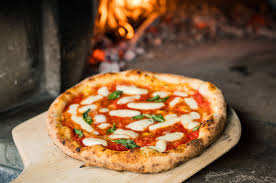
Pizza started as simple flatbread for poor workers in 18th-century Naples, Italy. It became famous when a baker added tomatoes — once believed poisonous. The modern pizza was born in 1889 when a pizzaiolo made patriotic red, white, and green pizzas for Queen Margherita. From street food to global icon, pizza’s origins are humble, cheesy, and delicious.

📖 Level 1 - Beginner:

Pizza comes from Italy. Long ago, poor people in Naples ate flatbread. They put oil and herbs on top. Tomatoes came from America. At first, people thought tomatoes were poison. They were scared to eat them. But brave bakers tried tomatoes on bread. It was delicious! In 1889, a baker named Raffaele Esposito made a special pizza. He used red tomatoes, white cheese, and green basil. These were the colors of Italy’s flag. He made it for the queen. Her name was Queen Margherita. She loved it. That pizza is called Margherita. Soon everyone wanted pizza. Italian immigrants brought pizza to America. People loved it there too. After World War II, pizza became famous around the world. Today we eat pizza with many toppings. But the best pizza is still simple. Just bread, tomatoes, and cheese. Next time you eat pizza, remember the poor workers of Naples. They invented your favorite food.

📖 Level 2 – Intermediate:

Pizza’s story begins in Naples, Italy, during the 1700s. Poor workers needed cheap food. They ate flatbreads called pizza topped with garlic, lard, or anchovies. Tomatoes had arrived from the Americas, but Europeans feared they were poisonous. By the late 1700s, brave Neapolitans began adding tomatoes to their flatbread. The combination was simple and tasty. The famous Margherita pizza was born in 1889. A baker named Raffaele Esposito made three pizzas for Queen Margherita of Savoy. Her favorite used tomatoes, mozzarella cheese, and fresh basil — representing the Italian flag’s red, white, and green. Esposito named it Pizza Margherita in her honor. Italian immigrants brought pizza to the United States in the late 19th century. It remained a niche dish in Italian neighborhoods until after World War II. American soldiers stationed in Italy tasted pizza and craved it back home. By the 1950s, pizza chains spread across the US. Now pizza is a global dish, with local versions from Tokyo to Buenos Aires. But the original Neapolitan pizza remains protected by official rules. It must be made with specific tomatoes, mozzarella, and baked in a wood-fired oven. From a poor worker’s snack to a queen’s favorite, pizza’s journey is a slice of history.

📖 Level 3 – Advanced:

The origins of pizza lie in 18th-century Naples, then one of Europe’s poorest and most crowded cities. Working-class Neapolitans needed quick, cheap meals. They ate pizza — flatbreads topped with inexpensive ingredients like oil, garlic, or leftover fish. Tomatoes, introduced from the New World in the 16th century, were initially dismissed as toxic by European elites. Yet Naples’ poor ignored the warnings. By the late 1700s, tomato-topped flatbread became a street staple. The Margherita pizza’s creation is traditionally dated to 1889. Raffaele Esposito, owner of Pizzeria Brandi, prepared three pizzas for Queen Margherita of Savoy. Her preferred pizza featured tomatoes, mozzarella, and basil — evoking the Italian tricolor. Esposito named it Pizza Margherita. This royal endorsement elevated pizza from peasant food to national symbol. Italian immigrants introduced pizza to the United States in the early 1900s, but it remained within Italian-American enclaves for decades. The breakthrough came after World War II: American soldiers stationed in Italy developed a taste for pizza, and returning veterans fueled its spread. The first commercial pizza chain, Pizza Hut, opened in 1958. Today, UNESCO recognizes Neapolitan pizza-making as Intangible Cultural Heritage. Authentic Neapolitan pizza is strictly regulated — San Marzano tomatoes, buffalo mozzarella, and wood‑fired ovens reaching 485°C. From garbage-strewn alleys to Michelin stars, pizza’s ascent is a testament to the power of simple, honest food.

📚 Vocabulary

Words from this article that appear in our vocabulary books.

Word Definition
Accident something ​bad that ​happens that is not ​expected or ​intended and that often ​damages something or ​injures someone
Added extra- in addition to what is usual or expected
Authentic genuine
Breakthrough revolution, success, advance, development, innovation, progress;an important new discovery in something you are studying
Century 100 years
Combination a mix of two or more things
Cultural something related to art, literature, music, etc
Dish a container for serving food at the table (it is lager than a plate)
During at a point of within a period of time
Heritage legacy: tradition
Honest always telling the truth
Humble modest
Ingredients the food items you need to have to make sth to eat
Initially originally, at first [adv]
Intangible nonmaterial; immaterial, untouchable
Intermediate in-between
Like used to introduce an example (SYN such as)
Local located in the area where you live
National connected with all of a country
Original existing from the time when sth was first made or done
Patriotic loving one's country; showing love and loyal support for one's country
Poison a ​substance that can make ​people or ​animals ​ill or ​kill them if they ​eat or ​drink it
Poisonous very harmful and able to cause illness or death
Prepared ready to ​deal with a ​situation
Remains parts of objects and buildings that have been discovered recently
Royal relating to a king or queen
Snack a small amount of food usually eaten between meals
Soon shortly, quickly
Specific particular
Spread distribute
Staple important
Strictly only
Taste have a particular flavour
Top the highest place or part
Toxic poisonous
War armed fighting between two or more countries or groups
Within inside
Yet however

Comments (0)

Comments are published after admin approval.

No approved comments yet. Be the first to comment.

Stay updated

Get notified when we publish a new article.