
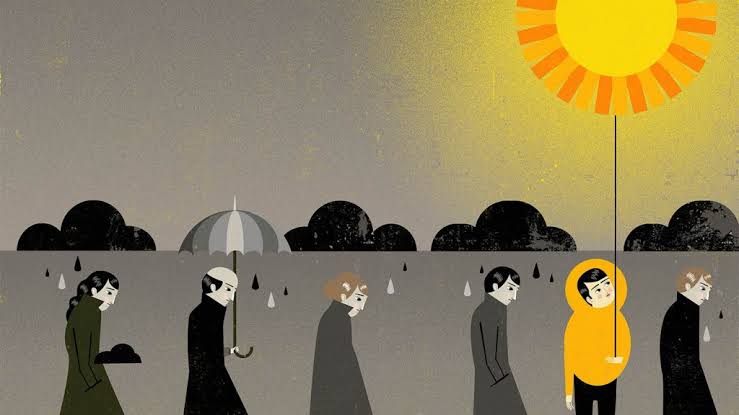
On a bright, sunny morning, the world feels possible. Problems seem smaller. Strangers seem friendlier. The future, whatever it holds, appears manageable. On a gray, rainy afternoon, the same problems can feel unbearable. The same strangers seem distant. The same future looms like a threat.
This is not imagination. Weather changes how we feel. It changes our energy, our patience, our optimism, and even our ability to think clearly. The connection between the sky above and the mind within is real, measurable, and deeply human.
Understanding this connection does not eliminate its effects. But it helps. Knowing why a rainy day makes you tired does not make you energetic. But it stops you from blaming yourself for something the weather caused.
Sunlight: Nature's Mood Enhancer
Sunlight is the most powerful weather-related influence on human mood. When sunlight hits the skin, the body produces vitamin D, which affects serotonin levels—a neurotransmitter linked to feelings of well-being and calm. More sunlight means more serotonin. More serotonin means better mood.
This is why people feel happier on sunny days. It is not just the warmth or the brightness. It is chemistry. The body responds to light as a signal: It is safe. It is daytime. You can relax.
Conversely, lack of sunlight has well-documented effects. Seasonal Affective Disorder, or SAD, affects millions of people in regions with long, dark winters. The symptoms are not vague unhappiness. They are specific: low energy, oversleeping, overeating, loss of interest in normally enjoyable activities, and a persistent feeling of heaviness.
For people with SAD, the weather is not an inconvenience. It is a medical condition. Treatment often involves light therapy—sitting near a special lamp that mimics natural sunlight. The fact that a lamp can treat a mood disorder proves how deeply sunlight is woven into our emotional lives.
Rain: The Complex Effect
Rain has a reputation for causing sadness. Songs about rainy days are almost always sad songs. Movies use rain to signal grief or loss. This cultural association is so strong that many people assume rain inevitably makes them unhappy.
The reality is more complicated. Some people genuinely feel worse in rainy weather. Lower light levels reduce serotonin. Staying indoors reduces physical activity. The sound of rain, for some, is monotonous and depressing.
But for many others, rain is calming. The sound of rainfall—steady, predictable, white—lowers heart rate and reduces anxiety. A rainy afternoon can be an excuse to rest, to read, to slow down without guilt. People who live in dry, hot climates often welcome rain as a relief, not a burden.
One study found that people's emotional responses to rain depend largely on their context. Rain on a weekend, when you have nowhere to go, is pleasant. Rain on a Monday morning, when you must commute, is frustrating. The weather itself does not change. The meaning we attach to it changes everything.
Heat and Aggression
Hot weather has a surprisingly strong link to human behavior. As temperatures rise, so does irritability. Studies have found that violent crime increases during heatwaves. Traffic accidents become more frequent. Hospital emergency rooms see more admissions for aggression-related injuries.
Why does heat make people angry? Partly physical. The body works harder to cool itself, diverting energy from other systems. Dehydration, common in hot weather, impairs judgment and increases impulsivity. Sleep quality drops when nights are warm, leaving people tired and short-tempered.
Partly psychological. Heat feels inescapable. When you are hot, you cannot simply remove your skin. The discomfort follows you everywhere. Over hours and days, this constant low-level stress erodes patience. Small annoyances become large provocations.
This does not mean hot weather excuses bad behavior. But it explains patterns that would otherwise seem mysterious. The person who snaps at you on a 38-degree day may not be angry at you. They may be angry at the weather—and you happened to be there.
Cold: Isolation and Energy
Cold weather produces a different set of effects. For many people, extreme cold encourages retreat. Staying indoors. Avoiding social contact. Sleeping more. Moving less. Over time, this withdrawal can look like depression—low energy, low motivation, low interaction with others.
But cold also has surprising benefits. Some research suggests that cold temperatures improve mental clarity and focus. The body, responding to cold, increases levels of norepinephrine, a neurotransmitter involved in attention and alertness. A cold room may be better for studying than a warm one.
Cold also brings people together in specific ways. Shared discomfort creates bonding. People who endure a cold winter together remember it. The first warm day after a long freeze is celebrated almost like a holiday. Cold makes warmth feel precious.
Barometric Pressure and Headaches
One of the most direct weather-mood connections is also one of the least understood. Many people report headaches, fatigue, or joint pain when barometric pressure changes rapidly—before a storm, for example, or during a sudden shift from high to low pressure.
The mechanism is not fully known. One theory is that pressure changes affect the fluid in the inner ear, which controls balance. Another is that pressure changes cause small expansions or contractions in blood vessels, triggering pain receptors. Whatever the cause, the effect is real. People who suffer from migraines often predict storms more accurately than weather forecasters.
These individuals are not imagining their symptoms. They are feeling the weather in their bodies before their minds register what is happening. For them, weather is not a topic of casual conversation. It is a predictor of suffering.
The Role of Expectation
Not all of weather's effect on mood is direct. Much of it is shaped by what we expect. A person who believes rainy days are sad will feel sad on rainy days. A person who believes rainy days are cozy will feel cozy. The weather is the same. The story they tell themselves about the weather is different.
This is not to say the effect is imaginary. But expectation amplifies or dampens the physical response. A child who loves puddles runs outside joyfully in the rain. An adult who hates traffic sits inside resentfully. Both are responding to the same rain. Both are correct about their own experience.
This insight offers a small measure of control. You cannot change the weather. But you can change the story you tell about it. A rainy day can be "dreary" or "restorative." A hot day can be "oppressive" or "energizing." The facts do not change. The meaning does.
Practical Adaptations
Since weather will always affect mood, the goal is not to eliminate the effect. The goal is to manage it.
For low sunlight: Spend time near windows. Use bright artificial lights. Consider a light therapy lamp if winter consistently lowers your mood. Exercise outdoors when possible, even on cloudy days.
For rain: Embrace it. Light a candle. Make tea. Read a book. Give yourself permission to slow down. If rain makes you feel trapped, schedule indoor activities that provide movement and social connection.
For heat: Stay hydrated. Avoid intense activity during peak hours. Use fans or air conditioning if available. Remember that irritability is a symptom, not a character flaw. Give yourself and others extra patience.
For cold: Maintain social contact even when staying indoors feels easier. Dress in layers so you can adjust. Find small pleasures in cold weather—hot drinks, warm blankets, the satisfaction of coming inside after being out.
For storms and pressure changes: If you are sensitive, track weather forecasts. Plan for difficult days by reducing demands on yourself. Treat symptoms with whatever works—rest, hydration, medication if needed.
A Gentle Conclusion
Humans like to believe we are in control of our emotions. We are not. The sky, the temperature, the pressure of the air around us—these invisible forces shape how we wake up, how we treat others, and how we see ourselves.
This is not weakness. It is being alive. A stone does not respond to rain. A machine does not feel the sun. But you do. You feel the weather because you are human, and being human means being affected by the world around you.
The next time a gray day makes you tired, do not fight it. Rest. The next time a hot day makes you irritable, notice it. Breathe. The weather will change. It always does. And you, like every generation before you, will change with it.
Weather and mood are dancing together. You are not the choreographer. You are the dancer. And the only mistake is refusing to move.
Comments (0)
Comments are published after admin approval.
No approved comments yet. Be the first to comment.