
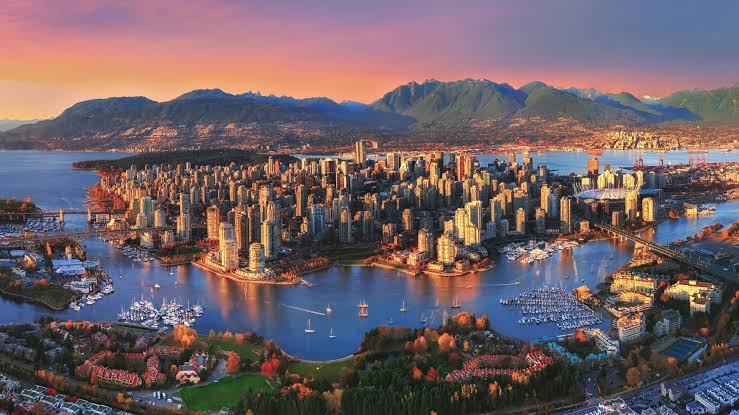
Ask a hundred people why they love their city, and you will receive a hundred different answers. For some, it is the smell of rain on hot pavement. For others, it is the corner bakery that has been there for forty years. For many, it is simply the feeling of being home—a feeling they cannot explain but would recognize anywhere.
City love is not logical. It is not based on statistics or rankings or the number of parks per capita. City love is emotional. It is built from small moments, accumulated over years, until the city becomes not just a place to live but a part of who you are.
Understanding why people love their cities matters. It shapes how cities are built, how communities are preserved, and how millions of people find belonging in the midst of crowded streets and tall buildings.
Memory Woven into Place
The most powerful reason people love their cities is memory. A city is not just buildings and roads. It is a stage where life happens. The bench where you first held your partner's hand. The bus stop where you cried after losing a job. The restaurant where your family celebrated every birthday for twenty years.
These memories attach themselves to places. Over time, the physical city becomes inseparable from the emotional life of the person who lives there. To love a city is to love the version of yourself that exists within it.
This is why people defend their neighborhoods against change with such passion. A developer sees an old building as an opportunity for something new. A resident sees the loss of a lifetime of memories. Both are right. But only one of them is emotionally attached.
The Comfort of Familiarity
There is deep comfort in knowing a place. The person who loves their city can navigate without a map. They know which coffee shop makes the best espresso and which corner to avoid after dark. They know the rhythm of the streets—when traffic is light, when the park is quiet, when the bakery sells day-old bread at half price.
This knowledge is not practical only. It is psychological. In a world that changes constantly, the familiar city provides an anchor. The street may be noisy. The train may be late. But the shape of the city remains. That consistency becomes a form of security.
Psychologists call this place attachment. It is the emotional bond between a person and a physical environment. It takes years to develop. And when it is broken—by forced relocation, by gentrification, by disaster—the loss is experienced as genuinely as the loss of a relationship.
Identity and Belonging
People often define themselves by their cities. I am a New Yorker. I am a Londoner. I am a Mumbaikar. These labels carry meaning beyond geography. They suggest personality traits, values, even ways of speaking. To claim a city is to claim membership in a tribe.
This tribal identity provides belonging. In a large and sometimes lonely world, the city offers a ready-made community. Not everyone in the city is a friend, but they share something—the same streets, the same weather, the same inside jokes about the local transit system. That shared experience creates a bond, however thin, between strangers.
Sports teams amplify this belonging. When the home team wins, the entire city celebrates together. Strangers hug in the street. Car horns become music. For a few hours, the city is not a collection of individuals but a single organism, united in joy. This is not trivial. This is social glue.
The Energy of Possibility
Some people love their cities for what they offer rather than what they remember. Cities are engines of opportunity. They concentrate jobs, education, culture, and connection. A young person moving to a big city feels a sense of possibility that smaller towns cannot provide. Anything could happen. Anyone could become someone.
This energy is addictive. It is the sound of construction at midnight. The sight of lights in office buildings at 2 a.m. The knowledge that somewhere in the city, at this very moment, someone is starting a company, writing a novel, falling in love, changing their life.
People who love their cities for this reason often describe them as alive. The city breathes. It grows. It reinvents itself constantly. To live in such a place is to feel that time is moving forward, and you are moving with it.
The Particularity of Small Things
Beyond the grand reasons, people love their cities for small, specific, almost secret reasons. The old man who feeds pigeons in the same plaza every morning. The hidden garden behind a church that no one seems to know about. The sound of church bells at noon. The way the sunset hits a particular building and turns it gold.
These details are invisible to visitors. They are invisible to residents who have not yet learned to see. But for the person who has lived in a city long enough, these small things become treasures. They are the city whispering: I am yours. You are mine.
One resident of Istanbul once said: "I love this city because it has a thousand secrets, and I have only discovered thirty of them. I will spend my whole life looking for the rest." That is city love—not possession, but discovery. Not completion, but curiosity.
The Honest Shadow: What People Do Not Say
Love for a city is rarely uncomplicated. The same person who declares undying loyalty to their city will also complain about traffic, rent, crime, and the terrible smell near the fish market on summer afternoons. City love includes frustration. It includes anger. It includes the honest admission that the city is not perfect.
But that is true of all love. To love something is not to believe it has no flaws. It is to accept the flaws as part of the whole. The traffic means the city is alive. The high rent means people want to be here. The noise means the city never sleeps. What looks like a complaint is often a confession of attachment.
The person who stops complaining about their city has stopped caring about it. Indifference is the opposite of love. Frustration is its evidence.
Why This Matters for the Future
Understanding why people love their cities is not just a sentimental exercise. It has practical consequences for urban planning, housing policy, and community development.
Cities that ignore emotional attachment make mistakes. They demolish beloved buildings and wonder why residents are angry. They build highways through historic neighborhoods and are surprised when people fight back. They treat cities as machines for efficiency rather than homes for human beings.
The best urban planners understand that cities are not just systems. They are stories. A successful city preserves what people love while making room for what they need. It balances memory and progress. It listens to the small voices before they become loud protests.
Cities that get this right thrive. Residents defend them. Visitors admire them. Generations fight to stay. Cities that get it wrong become places people pass through rather than places people call home.
A Practical Conclusion
You cannot force someone to love a city. Love arrives slowly, or not at all. It comes from walking the same streets until they become familiar. From surviving the same seasons until they become comforting. From sharing the same public spaces until they become sacred.
If you love your city, you already know why. If you do not, perhaps you have not stayed long enough. Or perhaps you have not paid attention to the small things—the corner bakery, the sound of rain, the old man with the pigeons.
Every city has something to love. Not every resident has learned to see it. But those who do carry their cities with them wherever they go. The streets become part of their bones. The skyline becomes part of their horizon.
People love their cities because their cities have loved them back—quietly, imperfectly, and for long enough that forgetting is no longer possible.
Comments (0)
Comments are published after admin approval.
No approved comments yet. Be the first to comment.