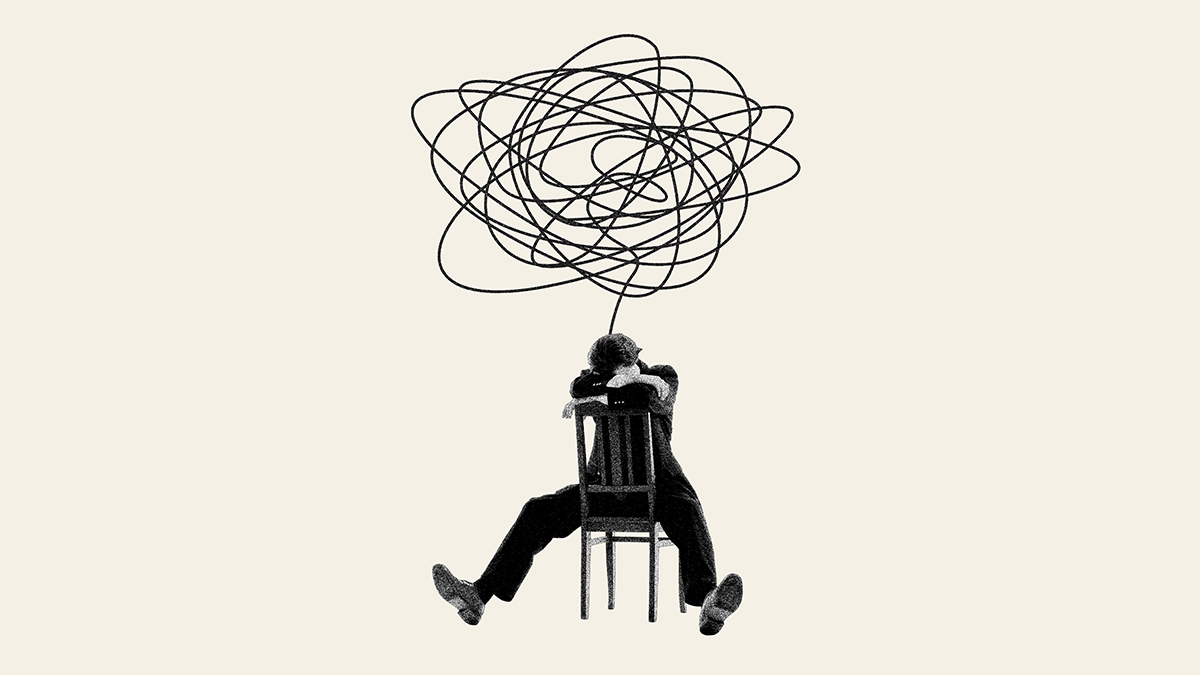
Emotional flooding is a sudden wave of intense emotion that overwhelms your nervous system, making clear thinking nearly impossible. The term has doubled in Google searches in 2026, reflecting how many people feel overwhelmed. During a flood, your brain's fear center takes over, heart rate spikes, and rational thought shuts down. Recognizing the signs and stepping away can help you reset and regain control.
📖 Level 1 - Beginner:
Emotional flooding happens when you feel too much too fast. Your heart beats very fast. Your body gets hot. You cannot think clearly. You might yell or run away. This often happens during arguments or stress. Your brain goes into emergency mode. It stops listening. It only tries to survive.
The good news is you can stop the flood. First, notice the signs. Is your heart racing? Are your fists tight? Then take a break. Walk away for five minutes. Breathe slowly. Count to ten. Do not talk until you calm down. Your brain needs time to reset. After you feel calm, you can talk again. This helps you fix problems better. You are not broken. Your brain is just protecting you. Learning to pause is a superpower. Many people search for this topic online. You are not alone.
📖 Level 2 – Intermediate:
Emotional flooding occurs when your nervous system becomes overwhelmed by intense emotions — often anger, fear, or shame. Your body releases stress hormones like adrenaline and cortisol. Your heart rate jumps. Your muscles tighten. Your brain's thinking part (the prefrontal cortex) shuts down, and your survival center (the amygdala) takes over. This is why you cannot have a productive argument when you are flooded. You might scream, cry, or go silent.
The term was popularized by
relationship researcher John Gottman, and search interest has doubled in 2026 as more people recognize the
experience. Flooding does not mean you are weak — it is a biological reaction. To cope, learn your early warning signs: a hot face, rapid breathing, or clenched jaw. When you notice them, call a timeout. Step away for at least 20 minutes — that is how long the chemical surge lasts. During the break, do not rehearse your angry speech. Instead, breathe deeply, go for a walk, or listen to music. After your body calms down, you can return to the
conversation with a clear head. Emotional flooding is a wave. You can learn to ride it instead of being pulled under.
📖 Level 3 – Advanced:
Emotional flooding, a term popularized by psychologist John Gottman, describes a neurophysiological state where the sympathetic nervous system is so activated that cognitive processing is impaired. During flooding, the amygdala overrides the prefrontal cortex, triggering fight-flight-freeze responses. Heart rate can exceed 100 beats per minute, and stress hormones flood the bloodstream. In this state, active listening, empathy, and logical problem-solving become impossible.
The condition has doubled in Google search interest in 2026, reflecting rising collective burnout and stress awareness. Crucially, flooding is neither a character flaw nor a choice — it is a biological limit. Recovery requires strategic disengagement. Research indicates that once flooded, it takes at least 20 minutes for the physiological arousal to subside. Effective coping involves recognizing somatic cues (racing pulse, shallow breath), initiating an agreed-upon timeout, and using the break for self-soothing activities (e.g., deep breathing, progressive muscle relaxation) rather than ruminating. After co-regulation is restored, partners can resume discussion with the goal of repair, not winning. Emotional flooding is not a sign of failure — it is a signal to pause. Learning to name and navigate it transforms conflict from a battleground into a bridge.

Comments (0)
Comments are published after admin approval.
No approved comments yet. Be the first to comment.