Milk is always at the back of the store. You walk past many things to get it. You see chips. You see cookies. You see soda. You put some in your cart. The store knows you need milk. You will go far to find it. So you buy more things. The milk is cheap. But the other things make money. That is the milk trick.
📖 Level 2 – Intermediate:
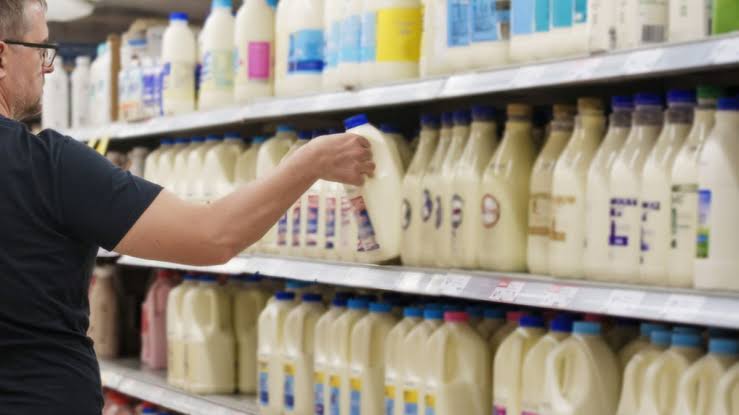
Have you noticed that milk is almost never near the entrance? It is always at the back corner of the grocery store. This is not an accident. Most people need milk regularly. You will walk to the back to get it no matter what. On your long walk, you pass hundreds of other products — snacks, drinks, frozen pizza, candy. The store hopes you will grab a few extra items. Milk itself has a very low profit. But the impulse buys you make along the way have high profit. The store also puts bread and eggs nearby. These are also common items. This layout forces you to travel through the entire store. The next time you go for milk, notice how many things jump into your cart before you reach it.
📖 Level 3 – Advanced:
The strategic placement of milk at the farthest corner of grocery stores is a cornerstone of retail layout psychology, specifically a concept known as the "destination product" strategy. Milk is a staple good with inelastic demand — consumers need it regardless of where it sits. By positioning milk at the rear, retailers force customers to traverse the entire store's floor plan, exposing them to thousands of high-margin impulse items such as salty snacks, chilled beverages, and confectionery. This increases "basket size" significantly. Additionally, milk is typically placed adjacent to other high-frequency essentials like eggs, butter, and bread, creating a "necessity zone." The journey past seasonal displays, end caps, and eye-level shelving maximizes unplanned purchases. Refrigeration costs are also lower at the back, near loading docks, reducing restocking time and energy expenses. Research in consumer behavior shows that each additional minute spent in a store correlates with a 15-20% increase in unplanned spending. The cheap milk acts as a loss leader — not to drive traffic to itself, but to convert that traffic into profitable peripheral sales. In short, the inconvenience is the whole point. You came for milk. The store designed the walk so you'd leave with much more.
Newsletter
Get new articles by email
Level-appropriate English news when we publish. Free, no spam.
New stories
Free
Unsubscribe anytime
Comments (0)
Comments are published after admin approval.
No approved comments yet. Be the first to comment.

Comments (0)
Comments are published after admin approval.
No approved comments yet. Be the first to comment.