
Why Restaurants Give Free Bread ?

Why Restaurants Give Free Bread ? banner
πŸ“– Level 1 - Beginner:

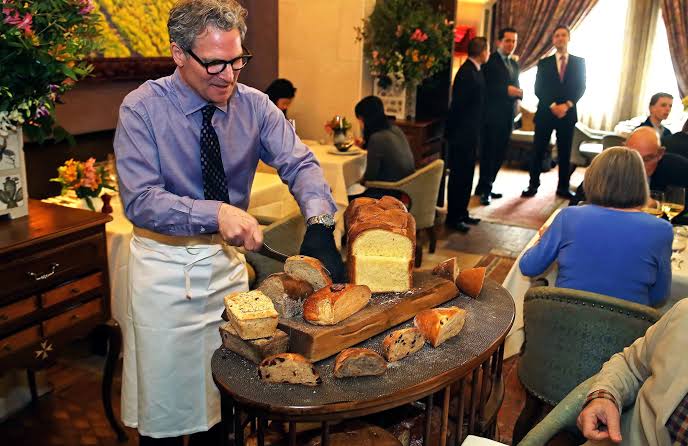
Restaurants give free bread before your meal. You feel happy. You eat the bread. You get hungrier. The bread has salt and butter. It makes you thirsty. You order more drinks. You also order appetizers. Then you order a big meal. The bread was not free. It made you spend more money. Restaurants know this trick very well.

πŸ“– Level 2 – Intermediate:

Have you ever wondered why restaurants bring free bread or chips to your table as soon as you sit down? It is not just good service. There is a clever business reason. The bread makes you start eating right away. Salt and fat make your mouth feel good. But they also make you thirsty. Thirsty customers order more drinks β€” soda, beer, or wine. Drinks have very high profit for restaurants. While you eat the bread, you also have time to look at the menu. You are relaxed and hungry. You order appetizers and larger main dishes. The free bread costs the restaurant very little. But the extra items you buy can double the bill. So the next time you reach for free bread, remember: it is working exactly as planned.

πŸ“– Level 3 – Advanced:

The seemingly hospitable gesture of complimentary bread or chips at restaurant tables is a masterclass in behavioral economics and loss-leader strategy. First, the bread serves as an immediate "anchor" of goodwill, triggering reciprocity β€” diners feel obligated to order more than just water. Second, the salt and carbohydrates induce mild thirst and appetite stimulation, increasing the likelihood of ordering high-margin beverages such as cocktails or premium sodas. Alcoholic drinks often carry a 70-80% profit margin, making them the restaurant's true revenue engine. Third, the bread occupies customers' mouths and hands, encouraging them to linger longer over the menu, which correlates positively with ordering appetizers, sides, and desserts. Psychologically, the bread also reduces perceived wait time, lowering the chance of impatient complaints or negative reviews. From a cost perspective, bread is extremely cheap β€” pennies per basket. Yet studies suggest that offering free bread raises average check size by 15-25%. Far from an act of generosity, the complimentary basket is a carefully calculated investment in turning a low-cost carbohydrate into high-margin beverage and entrΓ©e sales. The bread is free. The psychology is not.

πŸ“š Vocabulary

Words from this article that appear in our vocabulary books.

Word Definition
Anchor hold (sth. especially a ship) in place- syn:moor
Average normal or typical
Can used with see, smell or taste in the continuous tense
Carefully slowly and paying full attention
Chance a time when it's possible to do sth that you want to do (not an opportunity)
Clever intelligent; resourceful # astut
Costs expenses
Encouraging sth which gives you hope and makes you want to continue
Engine car's motor
Feel give a sensation of or like sth when touched
Generosity the ​quality or ​condition of being ​generous
Gesture movement,a movement of part of your body, especially your hands or head, to show what you mean or how you feel
Impatient not able to stay calm and wait for sth/sb
Induce bring about: bring: cause, give rise to, produce
Intermediate in-between
Leader a person who is in charge or contor of sth
Linger stay on; go slowly as if unwilling to leave
Look turn your eyes to sth and pay attention to it; seem from what you can see
Loss have a negative balance after paying costs
Mild warmer than usual for the time of year
Negative saying no; minus; showing the light and shadows reversed
Per for each
Profit the money you make in a business after paying costs
Revenue income
Service help to other people
Soon shortly, quickly
Strategy plan
While although
Yet however

Comments (0)

Comments are published after admin approval.

No approved comments yet. Be the first to comment.

Stay updated

Get notified when we publish a new article.