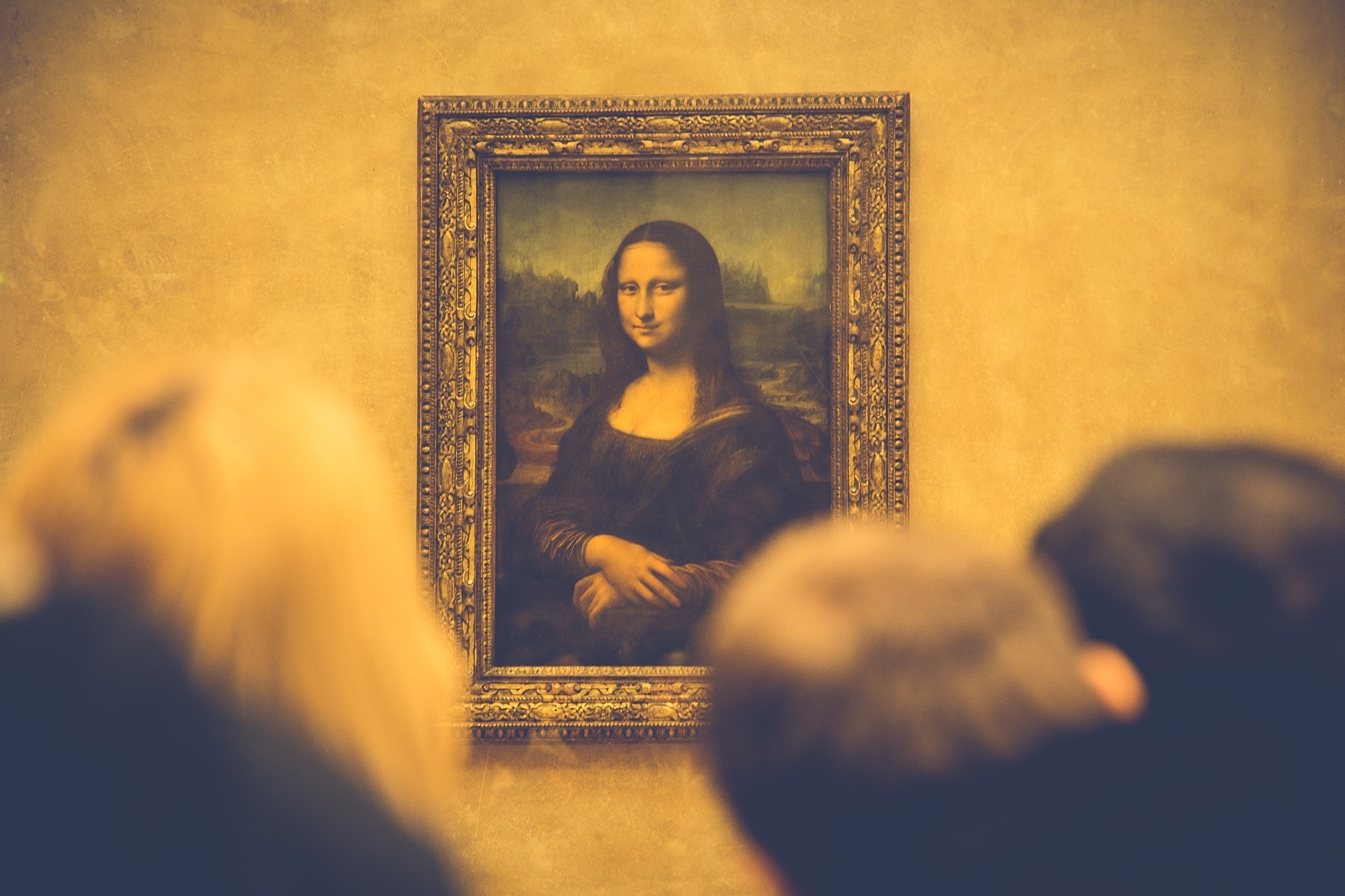
Art is not just decoration. It protests injustice, heals trauma, preserves history, and builds community. From cave paintings to graffiti, art reflects society’s hopes and fears. It gives voice to the voiceless and challenges power. In times of crisis, art reminds us of our shared humanity. Without art, society would be poorer, quieter, and less free.
📖 Level 1 - Beginner:
Art is everywhere. Paintings, music, dance, and movies are all art. Art is not just for fun. It helps people share feelings. When you are sad, a song can help. When you are angry, drawing can calm you. Art also tells history. Old paintings show how people lived long ago. Art can change minds. A poster can stop pollution. A poem can fight for fairness. Art brings people together. A street mural makes a neighborhood proud. A concert makes strangers sing along. Art gives hope. After a disaster, people paint or sing to heal. Art speaks when words are not enough. Children who make art feel smart. Old people who look at art feel less lonely. Art is for everyone. You do not need to be famous. You can draw a picture for your mom. That is art. And it matters. Art makes society kinder, braver, and more beautiful. Never stop making art.
📖 Level 2 – Intermediate:
Art plays a vital role in society beyond entertainment. It acts as a mirror, reflecting both the beauty and the wounds of a community.
Consider protest art. During the Civil Rights Movement, songs like “We Shall Overcome” gave courage to marchers. Today, murals of George Floyd turned streets into memorials. Art heals. Art therapy helps veterans with PTSD and children who have experienced trauma. Hospitals display paintings to reduce patient anxiety. Art preserves culture. Indigenous weavings, African masks, and folk dances carry stories that textbooks cannot capture. Art also builds economic value. Museums, galleries, and concerts create jobs and attract tourism. But perhaps most importantly, art fosters empathy. A novel about a refugee or a photograph of a war zone lets us feel what others feel. This shared emotion can break down prejudice. When schools cut art programs, they lose more than paintbrushes. They lose a tool for critical thinking, emotional
expression, and community bonding. In dictatorships, censors fear art because art questions authority. In democracies, art keeps debate alive. Whether a graffiti tag or a symphony, art reminds us: we are not alone.
📖 Level 3 – Advanced:
The role of art in society extends far beyond aesthetic pleasure. Art functions as social commentary, historical record, therapeutic intervention, and catalyst for change. During the apartheid era in South Africa, visual artists and playwrights risked imprisonment to expose racial injustice. In authoritarian regimes, dissident musicians and satirical cartoonists become folk heroes. Art’s subversive power lies in its ability to bypass rational argument and speak directly to emotion. Simultaneously, art heals collective trauma. Post‑genocide Rwanda used community storytelling and memorial sculptures to facilitate reconciliation. Art preserves endangered languages and traditions — from Aboriginal dot painting to Kurdish oral poetry. Economically, the creative sector contributes trillions globally, yet its value cannot be measured solely in GDP. Art cultivates cognitive skills: pattern recognition, ambiguity tolerance, and perspective‑taking. Studies show that museum visits reduce stress hormones. Moreover, public art transforms
anonymous spaces into places of belonging. The AIDS Memorial Quilt, for instance, turned grief into activism. When governments defund the arts, they inadvertently silence dissent and flatten culture. In contrast, societies that invest in arts education produce citizens who question, empathize, and innovate. Art is not a luxury. It is a necessity — the voice of our collective conscience.
Comments (0)
Comments are published after admin approval.
No approved comments yet. Be the first to comment.