
The Psychology of Addiction
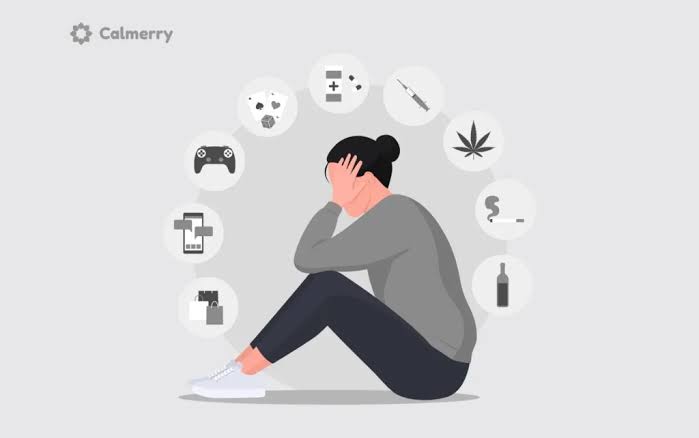
Addiction changes the brain’s reward system. Dopamine, a natural chemical, makes us feel good. Drugs, gambling, or even phone scrolling can hijack this system. Over time, the brain needs more to feel the same pleasure. Understanding this science helps explain why breaking bad habits is so hard.
📚 Vocabulary
Words from this article that appear in our vocabulary books.
| Word | Definition |
|---|---|
| Affect | to have an influence on someone or sth |
| Amplify | 1) magnify 2)explain |
| Anxiety | worry, the state of feeling nervous or worried that something bad is going to happen |
| Area | a particular part of a place, piece of land, or country |
| Based | when sth is the centre for your work |
| Being | creature, existence |
| Brain | the organ inside the head that controls thought, memory, feelings, and activity |
| Can | used with see, smell or taste in the continuous tense |
| Central | essential, more important and having more influence than anything else |
| Chronic | confirmed: inveterate: habitual: persistent, |
| Circuit | an area of land, often in a circle, where a race takes place SYN track |
| Depression | a feeling of being very unhappy |
| Disease | illness in people, animals, or plants |
| Disorder | anarchy |
| During | at a point of within a period of time |
| Emotional | having strong feelings, and often showing them |
| Enjoy | experience, benefit from,to have a particular ability or advantage |
| Enough | as good, well, old, long, etc. as is necessary |
| Environment | setting, surroundings |
| Even | at the same level |
| Everyday | normal or usual |
| Evidence | that which makes clear the truth or falsehood of something |
| Experience | the things that you have done in your life |
| Feel | give a sensation of or like sth when touched |
| Flood | to cause to fill or become covered with water |
| Function | operation: utility |
| Gradually | when something changes slowly over a long period of time |
| Heal | to make or become well again, especially after a cut or other injury |
| Healthy | good for health (SYN good for you) |
| Intermediate | in-between |
| Lack | be entirely without something; have not enough |
| Like | used to introduce an example (SYN such as) |
| Matter | issue, affair |
| Means | ways # methods |
| Might | used to express the possibility that something will happen or be done, or that something is true although not very likely |
| Negative | saying no; minus; showing the light and shadows reversed |
| Normally | commonly; usually # typically |
| Patience | the ability to wait, or to continue doing something despite difficulties, or to suffer without complaining or becoming annoyed |
| Planning | the act or process of making plans for sth |
| Pleasure | a feeling of enjoyment |
| Possible | able to be done, or happen; able to be true; able to be done or choose properly |
| Preoccupation | concentration on,when someone thinks or worries about something a lot, with the result that they do not pay attention to other things |
| Process | purify, cater, perform a series of mechanical or chemical operations on (something) in order to change or preserve it |
| Prolonged | lengthy |
| Related | when sth connected with sth |
| Responsible | able to act sensibly and intelligently |
| Restore | to give back or bring back something; to return to the original condition # revitalize |
| Reward | sth you get because you have done sth helpful, worked hard, etc |
| Science | a particular subject which is studied by scientific methods |
| Shame | a fact or situation that makes you feel disappointed (SYN pity) |
| Stage | a period that forms part of an activity |
| Stress | say sth with extra loudness (SYN emphasis) |
| Synthesis | n) combination |
| Ten | 10 |
| Therapy | treatment of a physical or mental problem or illness |
| Tolerance | willingness to accept behaviour and beliefs that are different from your own, although you might not agree with or approve of them |
| Trap | to catch and hold onto, usually by trickery; deceive # retain |
| Treatment | the things a doctor or dentist does to make you better |
| Weak | not strong; incapable # ineffective |
Comments (0)
Comments are published after admin approval.
No approved comments yet. Be the first to comment.