
The History of The Lotus Flower
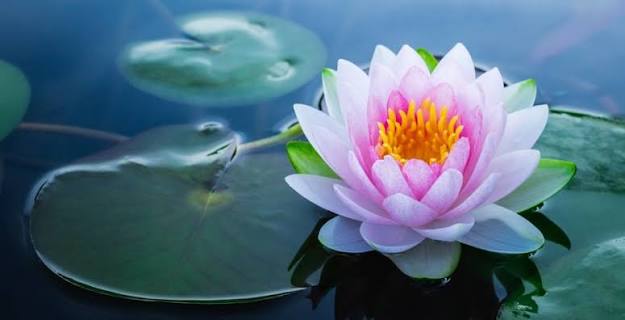
In ancient civilisations, the lotus flower held profound symbolic power far beyond its botanical function. Among the Egyptians and later the Romans, the blue lotus was depicted in tomb paintings dating to approximately 1400 BCE, where it represented rebirth and the sun’s daily journey. For pharaohs and nobles, possessing lotus motifs on jewellery, thrones, and ointment jars emphasised their divine connection. The flower was not merely decorative; it was a luxury emblem reserved for elite burial chambers and temple rituals. The design has changed little in its natural form, yet its cultural meaning has been continually reinvented.
A specific innovation in the use of the lotus occurred in 6th-century China, where Buddhist monks developed a systematic method for extracting aromatic oil from the white lotus petals. Using a steam distillation apparatus made of copper and bamboo, they produced a highly concentrated essence valued for meditation and healing. The material used, copper, was chosen for its heat conductivity and purity. By the year 570, this lotus oil had become a prized commodity along the Silk Road, traded in small porcelain vials. Chinese imperial courts adopted the lotus as a symbol of moral integrity, distinct from its earlier Egyptian associations.
The lotus arrived in European botanical awareness during the early 19th century, popularised by the French naturalist Joseph Decaisne. When Decaisne presented live lotus specimens to the Paris Academy of Sciences in 1829, fellow botanists mocked him for promoting what they called "a sacred weed from pagan swamps." Resistance also came from horticultural societies who doubted the flower could survive European winters. Despite the ridicule, Decaisne successfully cultivated the lotus in heated greenhouses, and by 1845 it had become a celebrated feature of major botanical gardens. The design has changed little, but the lotus continues to bridge Eastern and Western traditions of spiritual symbolism.
📚 Vocabulary
Words from this article that appear in our vocabulary books.
| Word | Definition |
|---|---|
| Ancient | antique: old- belonging to a long time in old history |
| Apparatus | 1) equipment,a tool, machine, or set of equipment used especially for scientific, medical, or technical purposes 2) a system or process for doing something |
| Approximately | roughly-more or less than a number or amount |
| Burial | ceremony of putting a dead body in the ground |
| Celebrated | famous, renowned |
| Century | 100 years |
| Cultural | something related to art, literature, music, etc |
| Daily | something issued every day |
| Design | create, draw, plan |
| Despite | in spite of |
| Distinct | separate: clear and recognizable |
| During | at a point of within a period of time |
| Elite | excellent person |
| Feature | an important part of sth, and often a part that you notice |
| Fellow | adj used to describe sb who is in the same situation as you |
| Function | operation: utility |
| Innovation | new, novelty |
| Integrity | the quality of being honest and having strong moral principles |
| Jewellery | decorative objects worn on your clothes or body that are usually made from valuable metals, such as gold and silver, and precious stones |
| Live | seen or heard as it is happening |
| Material | cloth for making clothes, covering furniture, etc (SYN fabric) |
| Merely | no more than: only: simply, just, (used to emphasize how small or unimportant something or someone is) |
| Method | a way of doing sth |
| Prized | valued, cherished |
| Profound | far-reaching: deep |
| Resistance | the action of trying to stop sth happening or stop sb doing sth |
| Sacred | worthy of respect; holy |
| Specific | particular |
| Sun | closest star to the Earth |
| Survive | live longer than; remain alive after |
| Yet | however |
Comments (0)
Comments are published after admin approval.
No approved comments yet. Be the first to comment.