
How Colors Make Us Think and Feel
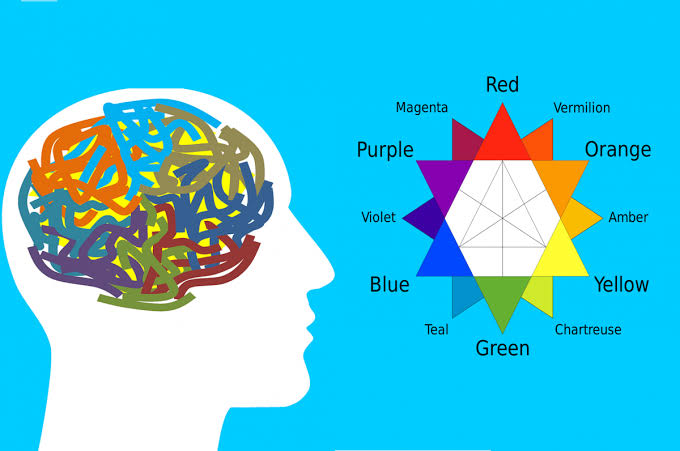
Look around you. Red, blue, yellow, green. Colors are everywhere. But did you know that colors change how you feel? Restaurants use red and yellow to make you hungry. Hospitals use light blue and green to calm patients. Fast food logos are often red because it makes you act quickly. Blue makes people feel safe and trustworthy. That is why many banks use blue. Color psychology is not magic. It is science. And it is working on you right now.
📚 Vocabulary
Words from this article that appear in our vocabulary books.
| Word | Definition |
|---|---|
| About | a bit more or a bit less |
| Accident | something bad that happens that is not expected or intended and that often damages something or injures someone |
| Affect | to have an influence on someone or sth |
| Anxiety | worry, the state of feeling nervous or worried that something bad is going to happen |
| Appear | seem; arise; opposite of vanish -come into sight; become visible or noticeable, typically without visible agent or apparent cause |
| Blood | the red liquid that is sent around the body by the heart |
| Brain | the organ inside the head that controls thought, memory, feelings, and activity |
| Can | used with see, smell or taste in the continuous tense |
| Carefully | slowly and paying full attention |
| Change | smaller units of money given in exchange for larger units of the same amount |
| Choose | opt, select, adopt, set, specify, opposite of reject & decline |
| Conscious | in a woken up state |
| Consistently | regularly, uniformly |
| Corporate | connected with a large business company |
| Cultural | something related to art, literature, music, etc |
| Effect | the result of a particular influence |
| Encourage | give courage to; increase the confidence of |
| Enduring | lasting: withstanding, durable |
| Expensive | costly; highly prices |
| Feel | give a sensation of or like sth when touched |
| Heart | an organ which moves blood in the body |
| Honest | always telling the truth |
| However | yet, but |
| Human | connected with people |
| Ideal | perfect; the best possible |
| Influence | to affect or change how someone or something develops, behaves, or thinks |
| Intermediate | in-between |
| Legitimate | reasonable; lawful # authentic |
| Lens | a curved piece of glass, plastic, or other transparent material, used in cameras, glasses, and scientific equipment, that makes objects seem closer, larger, smaller, etc. |
| Look | turn your eyes to sth and pay attention to it; seem from what you can see |
| Middle | centre |
| Mourning | great sadness felt because someone has died |
| Nature | character, disposition, temperament |
| Notice | a written announcement / statement |
| Paint | make pictures with brush and colour liquid |
| Partly | in some degree |
| Performance | the act of playing a role in a film or play |
| Popular | liked by most people |
| Principles | (USU. PL) strong beliefs that influence how you behave |
| Product | a thing that people make or grow in order to sell |
| Prolonged | lengthy |
| Rarely | seldom; not often |
| Rate | classify, consider to be of a certain quality, standard, or rank. |
| Reliable | when someone be trusted or believed |
| Safe | a person you can rely on |
| Science | a particular subject which is studied by scientific methods |
| Security | freedom from danger, care, or fear; feeling or condition of being safe |
| See | know or notice sth using your eyes |
| Shape | the particular physical form or appearance of something |
| Silent | without any sound |
| Sophistication | technology n. |
| Spectrum | range |
| Stimulate | cause: prompt |
| Test | a medical examination of part of your body |
| Trust | to believe that someone is good and honest and will not harm you, or that something is safe and reliable |
| Trustworthy | able to be relied on as good, honest, etc. |
| Turnover | the total value of goods or services that a company sells in a particular period of time (SYN sales revenue) |
| Visible | able to be seen |
| Vision | power of seeing; sense of sight |
| Warning | information that sth bad my happen |
| Way | the route or direction that you need to take to get somewhere |
| While | although |
Comments (0)
Comments are published after admin approval.
No approved comments yet. Be the first to comment.