
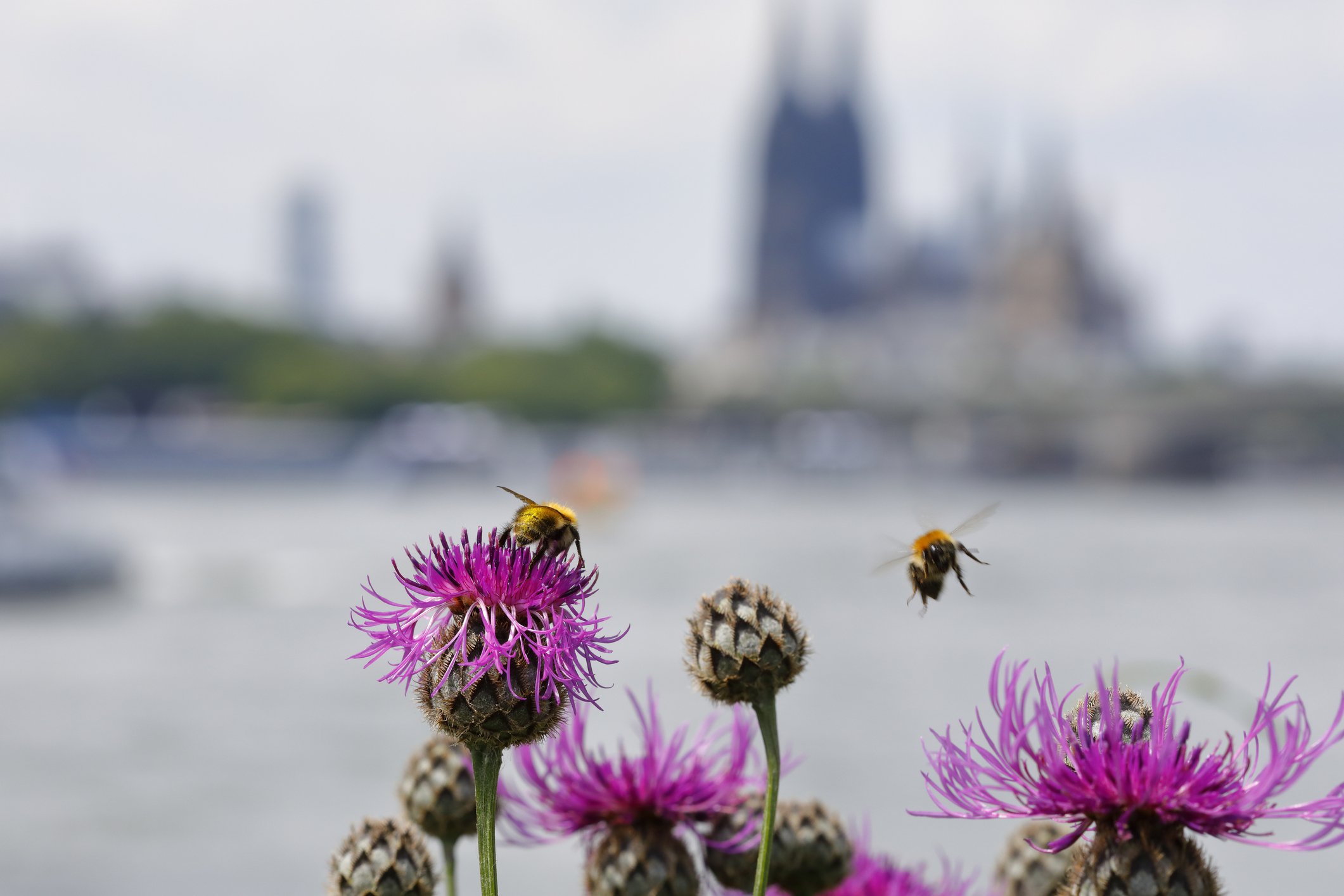
Many bees now live in big cities instead of the countryside. They find food in parks and on balconies. These urban bees are very important because they pollinate city plants. People can help them by planting colorful flowers and avoiding chemicals.
Level 1 - Beginner:
The Secret Life of Urban Bees Many bees live in big cities. They do not only live in the forest. They find food in city parks and on flower balconies. Bees are very important. They help plants and flowers grow. This is called pollination. City bees are often healthy. Some cities have more flowers than the countryside. This gives bees a lot of food. However, bees need help. You can help bees in your city. Plant bright flowers in a pot. Do not use bad chemicals on your plants. Bees make our cities green and beautiful. Let's protect these small insects!
Level 2 - Intermediate:
The Secret Life of Urban Bees While we usually think of bees in the countryside, many are actually thriving in urban environments. These "city bees" make their homes in parks, gardens, and even on apartment balconies. They play a vital role in the ecosystem by pollinating urban plants and vegetables. Interestingly, some studies show that urban bees are healthier than rural ones. This is because cities often provide a wider variety of flowers throughout the year, offering a steady food supply. However, city life also has challenges, such as pollution and a lack of nesting space. We can support these hardworking insects by creating "bee-friendly" spaces. Planting native flowers and avoiding harmful pesticides can make a huge difference. By protecting urban bees, we ensure that our city parks remain vibrant and healthy for everyone to enjoy.
Level 3 - Advanced:
The Secret Life of Urban Bees Contrary to the popular belief that bees belong exclusively to the rural countryside, a fascinating population of pollinators is flourishing within our metropolitan hubs. Urban bees have adapted remarkably well to the concrete jungle, utilizing public parks, community gardens, and private balconies as their primary foraging grounds. These insects are indispensable to urban biodiversity; through pollination, they sustain the flora that keeps our cities breathable and green. Surprisingly, urban environments can sometimes be superior to agricultural lands, as the diverse array of ornamental garden plants provides a more consistent and varied nutrient source than monoculture farms. Despite these advantages, urban bees face significant threats, including habitat fragmentation and the widespread use of synthetic pesticides. To mitigate these risks, city dwellers are encouraged to implement sustainable practices. Cultivating native wildflowers and installing "bee hotels" can provide essential nesting sites and sustenance. By fostering a symbiotic relationship with these pollinators, we can transform our urban landscapes into resilient ecosystems, ensuring that the secret life of the city bee continues to thrive amidst the hustle and bustle of modern life.
Comments (0)
Comments are published after admin approval.
No approved comments yet. Be the first to comment.