
The Island Where Only Women Live
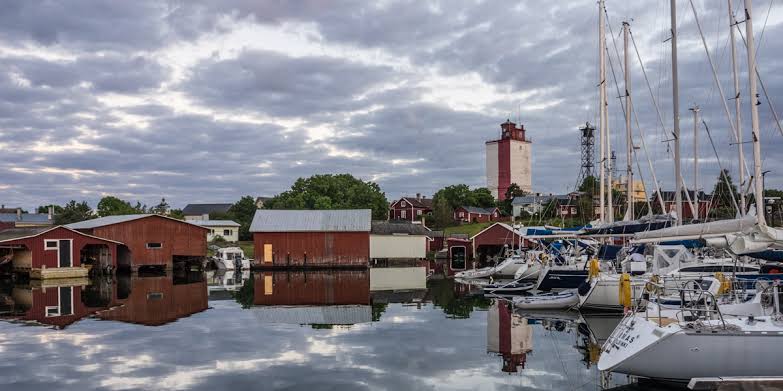
In the Baltic Sea, there is a small island called Uto. For decades, almost all the permanent residents have been women. The men left long ago to work as sailors or fishermen in distant ports. Many never returned. Today, the women of Uto run everything. They keep the lighthouse, repair the roads, and welcome tourists. This unusual place shows how life finds a way, even when half the population is missing.
📚 Vocabulary
Words from this article that appear in our vocabulary books.
| Word | Definition |
|---|---|
| About | a bit more or a bit less |
| Air | feeling |
| Alive | being live |
| Anomaly | irregularity-~ (in something) a thing, situation, etc. that is different from what is normal or expected |
| Boat | a small vehicle to travel on water |
| Breathtaking | very impressive , spectacular |
| Can | used with see, smell or taste in the continuous tense |
| Circumstance | condition: situation |
| Coast | the area of land that is close to or next to the sea or an ocean |
| Community | all the people who live in an area or town |
| Conventional | customary: traditional |
| Core | center, hub, nucleus |
| Design | create, draw, plan |
| Designation | identification,[uncountable] the act of choosing someone or something for a particular purpose, or of giving them a particular description |
| Disappear | stop existing (SYN vanish) |
| Distant | far |
| Due | expected to arrive or happen |
| Even | at the same level |
| Experience | the things that you have done in your life |
| Ferry | transport |
| Fix | put sth right that is broken or damaged |
| Group | a number of people who play music together (SYN band) |
| Half | either of the two equal or nearly equal parts that together make up a whole |
| Independent | be free from control of another country |
| Industry | the production of goods in factories |
| Intermediate | in-between |
| Keep | continue or stay ina particular place or condition |
| Let | allow to do sth |
| Live | seen or heard as it is happening |
| Living | not dead |
| Maintain | keep; keep up; carry on; uphold; support; declare to be true |
| Majority | the larger number; greater part; more than half |
| Nature | character, disposition, temperament |
| Off | less than usual |
| Pattern | a regular, repeated arrangement or action # habit |
| Permanent | 1)forever 2)lasting |
| Population | people of a city or country |
| Practical | convenient or effective # functional |
| Refuse | 1) [n] garbage, trash, waste, 2) [v] reject |
| Remains | parts of objects and buildings that have been discovered recently |
| Remarkable | 1)notable 2)incredible |
| Repair | fix clothes (SYN mend) |
| Resilient | 1)easy to recover 2)quick to recover |
| Roughly | almost: approximately |
| Rural | in the country |
| See | know or notice sth using your eyes |
| Sense | get a feeling about sth that you can't directly see or hear |
| Supply | an amount of sth that you need |
| Vehicle | means: method: way; formal something you use to express and spread your ideas, opinions etc SYN medium |
| Via | by means of: by the way of |
| Way | the route or direction that you need to take to get somewhere |
| While | although |
| Work | get or have the result you want |
Comments (0)
Comments are published after admin approval.
No approved comments yet. Be the first to comment.